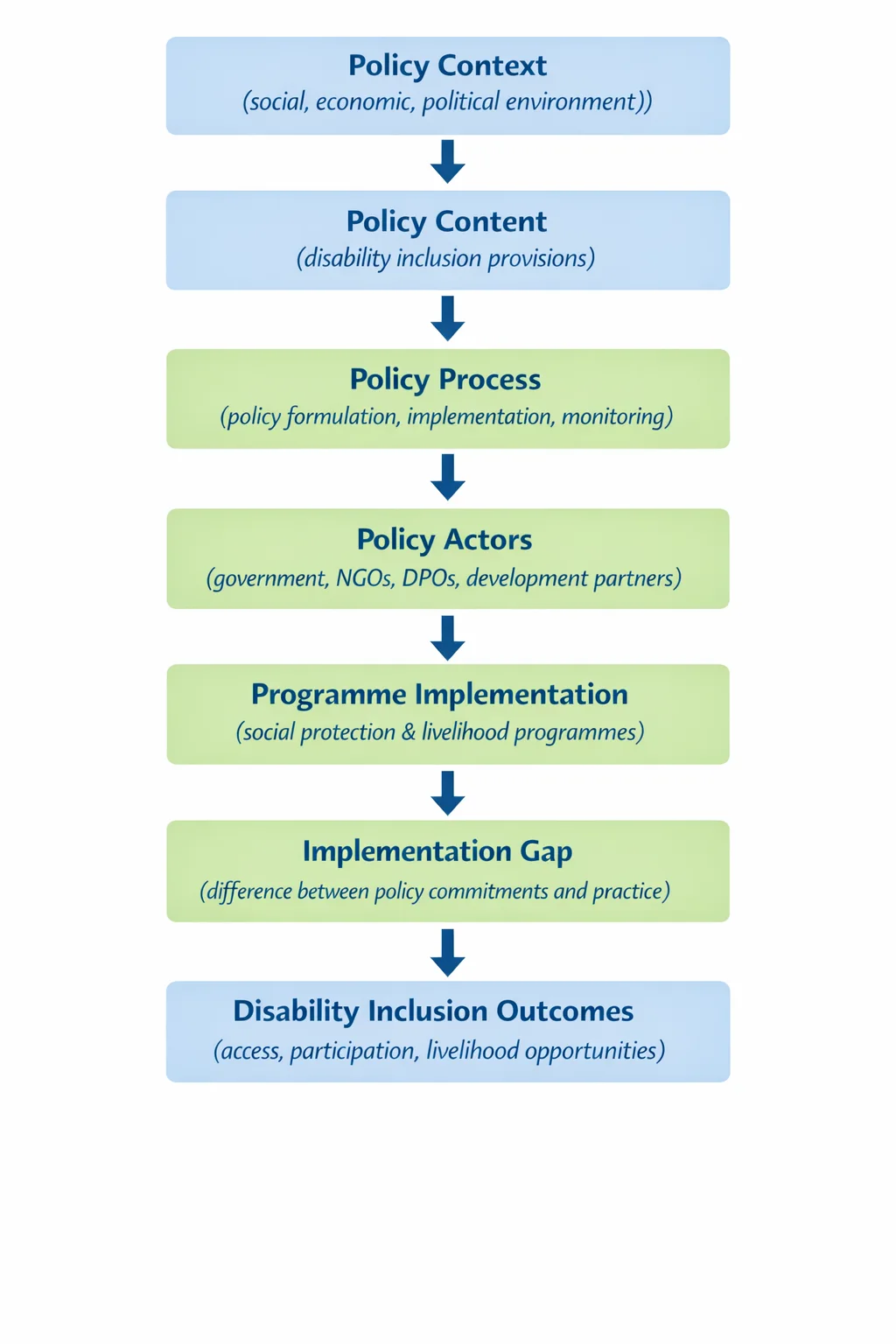
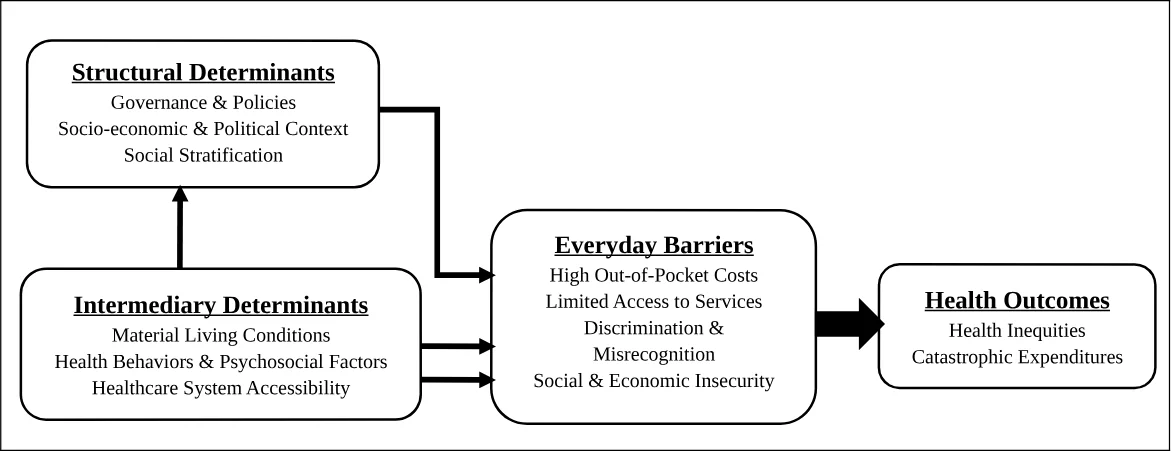
This study investigates the intersection of household power dynamics, social stigma, and women's autonomy in reproductive health decision-making, focusing on Bangladesh. It explores how these factors influence women’s access to reproductive health services and their ability to make informed reproductive choices. Using a mixed-methods design, the study combines quantitative surveys and qualitative interviews to examine the role of household decision-making power, social norms, and reproductive coercion in shaping health outcomes. The findings highlight that women with greater autonomy in household decision-making are more likely to access reproductive health services and use modern contraception. However, social stigma and coercion, both within families and society, hinder women’s autonomy and healthcare access. The study underscores the importance of addressing these social and structural barriers in public health policies and interventions aimed at improving reproductive health access and outcomes for women in Bangladesh. This research contributes to understanding the multifaceted barriers women face in reproductive health, emphasizing the need for comprehensive policies that promote gender equality, improve healthcare access, and challenge harmful societal norms.
Research ArticleReproductive HealthIn progress
Reproductive Health Access Under Social Control: Household Power, Stigma, and Women's Autonomy
Correspondence: jebaanika95@gmail.com
Abstract
Keywords Reproductive HealthWomen's AutonomyHousehold PowerSocial StigmaReproductive Coercion
Introduction
Reproductive health services have been widely known as an essential constituent in the health and well being of women. Reproductive health care comprises of prenatal care, contraception, maternal health services, and other preventive services that help in health of both mothers and children. The provision of these services is necessary to enhance maternal health outcomes and decrease any complications that can be prevented during pregnancy and childbirth. Nevertheless, most women in the parts of the world continue to experience constraints of getting reproductive health care because of socioeconomic disparity, institutional restriction, and the cultural orientation, which shapes health-seeking behavior. Inadequate financial coverage like the lack of health insurance coverage tends to restrict women access to prompt prenatal and preconception care which subsequently could result in subsequent treatment and poor health results (Kozhimannil et al., 2012).
Health policy and healthcare infrastructure are very significant in enhancing access to reproductive health services. In a number of countries, expansions of health insurance programs and national health policies have been put in place to enhance the provision of maternal and reproductive health services, specifically to the low-income groups. As an example, the policy programs like Medicaid expansion and community health centers programs are meant to enhance access to preventive care, prenatal care, contraception, and other vital healthcare provisions to women of reproductive age (Shin & Sharac, 2012). The community health centers are an important and significant source of healthcare among the low-income women in the community as they provide a one-stop facility of health services such as prenatal services, screening programs and reproductive health counseling. These efforts underline the need to enhance healthcare systems so that there is equity in the access to reproductive health services.
Even with the current advancements in the healthcare policy and infrastructure, the accessibility to the reproductive health care remains, so far, dictated by the social and household dynamics. In most societies and especially in the developing states, women do not exclusively make reproductive choices but are influenced by family members and power structures in the household. Household autonomy of women has been established to be a significant factor in determining reproductive health behavior. Research done in Bangladesh has revealed that women involved in household decisions have higher chances of adopting modern birth control methods, discussing birth control with their male partners and gain more control over family size choices (Rahman et al., 2014). Women that do not have the means to make decisions on their own, on the other hand, tend to rely on their husbands or other members of the family when making choices regarding contraception or use of healthcare.
Bangladesh offers a valuable setting to the relations between social norms and access to reproductive health. The nation has made great strides in the last few decades in terms of family planning and other reproductive health indicators. The contraceptive prevalence rate rose by about 8 percent in the year 1975 to almost 56 percent in 2007, and this is an indication of the effectiveness of the national population policies and family planning initiatives (Rahman et al., 2014). But still a significant number of women do not have their needs met in regards to family planning services. The cultural practices, religion and gender biases still shape the reproductive decision making process and may inhibit the freedom of women to access reproductive health services.
The independence of women is also tightly connected to general gender relationships, as well as authority in families and society. Autonomy is the freedom that women have to make decisions about their health, physical mobility and financial resources without any outside intervention. The aspects of autonomy often involve the involvement of women in the decision-making in the household, access to financial resources, and mobility. It has been shown that the autonomy of women is linked with a better reproductive health outcome such as higher contraceptive use, better mother healthcare use, and better child health outcomes (Rahman et al., 2014). The more women are given autonomy and control in making decisions in homes, the better they can reap the benefits of accessing information about health and availing reproductive health services.
Other than the household dynamics of power and control, there is also the social stigma and institutional barriers which can affect reproductive health access. Reproductive health-related policies such as abortion coverage and reproductive health counseling are usually different in regions and health care systems. In other situations, women may not easily find the right information or access reproductive health care services because of institutional policies and administrative procedures. Research on healthcare policy implementation has indicated that women might not receive consistent information or administrative hurdles during access to reproductive health services, and this could deter women seeking the required care (Dennis & Blanchard, 2012).
Besides, the reproductive health during pregnancy can also be long-term in terms of the overall health of women. Pregnancy outcomes and problems during pregnancy may act as warning sign of future risks of health among women especially in cases of chronic illnesses such as cardiovascular disease. The identification of pregnancy as a sensitive stage in which women health is monitored makes it important to contemplate the significance of complete reproductive healthcare services and lifelong health surveillance (Roberts & Catov, 2012).
Even though an increasing number of studies have been carried out on the topic of reproductive health access, most of the available literature has focused on the healthcare systems, insurance coverage, and demographic variables. Little has been paid to the extensive processes that predominantly influence the reproductive health choices of women and more so how household power institutions, social control and women agency interrelate. This interaction of these social and institutional factors is important in identifying the impediments that hinder full access to the reproductive health services by women.
Thus, this paper explores the issue of social control of reproductive health access by analyzing the influencing roles of the power of household decision making, social stigma, and the autonomy of women. Through the discussion of the impact caused by these social and structural factors on the reproductive health behavior of women, the study will hopefully add to the further insight of the barriers that define reproductive health access. This knowledge would be significant in formulating policies and interventions that are not only focused on access to healthcare, but also on the social processes that shape the reproductive health choices of women.
Literature Review
Reproductive health services access is the subject of large-scale research in the social science and public health. The current body of literature proves that not only medical factors influence reproductive outcomes of health, but also the social, economic, and institutional environment. Reproductive health incorporates those services that deal with contraception, pregnancy, maternal health, and fertility treatment. Fair access to these services is also a priority area of public health concern due to the relationship that exists between reproductive health and maternal mortality, infant health and the well being of the women.
There is a considerable amount of scholarly literature that addresses the importance of reproductive coercion and interpersonal control when it comes to the reproductive decision-making of women. Reproductive coercion is defined as the actions that affect independent decision-making regarding the reproductive option of the woman in terms of using pressure to conceive, damaging her birth control, and forceful maintenance or abortion. Research has also established that reproductive coercion can frequently be incorporated into intimate partner violence and family control systems, where the partners or other family members can put pressure on fertility choices. These forms of coercion can be subtle forms of social pressure to direct psychological or physical coercion to restrict women in their ability to take independent reproductive choices (Saldanha et al., 2025a).
Other more recent studies also point out that reproductive coercion must be perceived through a more socio-ecological perspective, where interpersonal relationships, as well as structural conditions such as legal constraints and cultural conventions influence the reproductive choices.
Socialization processes and gender norms are also very instrumental in determining the reproductive autonomy of women. Prolonged discursive feminist scholarship has asserted that socialization of gender urges women to pursue the roles of being caregivers, motherly, but at the same time, denies them autonomy in other aspects of life. Consequently, social expectations and normative beliefs regarding the mothering role and family duty often influence the reproduction choice of women. The studies of assisted reproductive technologies (ARTs) point to the fact that the decision of women regarding reproduction is not necessarily an individual choice and can be also determined by the social demands, culture and gendering norms influencing reproductive behavior (Cavaliere & Cesarano, 2025a).
Such social processes make the concept of free choice more difficult, and reproductive choices have to be interpreted within the framework of gender relations of power.
Health disparities also affect the reproductive health and the accessibility to health care facilities. According to sociological studies, social classes, education, and financial position determine the relationship of people to their bodies and health systems. The disparities in the knowledge, communication patterns, and cultural attitudes to health may produce unequal interactions between patients and healthcare professionals resulting in care disparities. According to scholars, the health behaviors and health care use are deeply rooted in the social structure that determines the ways people interpret symptoms, seek medical care, and communicate with medical practitioners (Saldanha et al., 2025b).
Such social disparities tend to inter-relate with gender disparity, which presents multiplied obstacles to women who want reproductive health services.The other valuable dimension of reproductive health studies is the risk to the health of the maternal health during pregnancy. It has been recorded in medical research that child bearing complications like preeclampsia are some of the maternal and perinatal complications that are major contributors to morbidity in the world. Preeclampsia occurs in 2-3 percent of pregnancies and it is one of the leading causes of maternal and neonatal complications. Combination of maternal and clinical biomarkers screening models have been suggested as effective methods of high risk pregnancy identification and enhancing pregnancy outcomes (O’Gorman et al., 2016a).
Likewise, there have been other medical research of risks during pregnancy in women with auto immunological conditions that have shown that biological issues like angiogenic imbalance during the initial period of pregnancy may predict negative pregnancy results (Kim et al., 2016).
These papers have emphasized the need to promote maternal health by detecting and assessing them early to enhance the quality of healthcare.Another factor that is very important to safeguard the health of the mother and the child is preventive maternal healthcare services. Pregnant women can be at high risk of contracting infectious diseases that can threaten the lives of both the mother and the baby. To illustrate, the hepatitis B infection is something that is harboring millions of people in the world and can be passed to newborns by infected mothers during childbirth or pregnancy. It has been established that universal screening of pregnant women against hepatitis B infection, as well as proper vaccination and treatment interventions, strongly decrease the threat of vertical transmission and positively affect the health conditions of the neonates (Dionne-Odom et al., 2016).
These findings show the role played by healthcare systems and preventive policies in enhancing reproductive health outcomes.In addition to biological and clinical determinants, researchers pay more attention to the social aspect of the illness and health. Studies involving chronic illness propose that the experience of health is not only determined by the physical symptoms but also the social meanings of the illness in societies. A social narrative and stigma, and cultural perceptions can influence the ways in which people perceive illness and the way other people treat them. These social processes can affect the health seeking behavior and access to medical care especially where illness is linked to moral judgment or social stigma in the community (Svege et al., 2025a).
Therefore the aspects of reproductive health can never be well comprehended without the greater social and cultural contexts in which health practices exist.Besides the social factors, there are also economic conditions, which interact with health outcomes. Money has an impact on the capacity of people to receive medical care, healthy lifestyles, and afford healthcare costs. Research conducted on the correlation between finances and health conditions has indicated that financial strain correlates with poor physical and mental health outcomes. On the other hand, deteriorating health may also trigger deteriorating financial situations, which form a circular association between poverty and health inequality (Bialowolski et al., 2025).
These conclusions emphasize the role of combining economic and health policies in order to overcome structural barriers, which restrict access to healthcare services.Combined, available literature has shown that access to reproductive health is a multidimensional response to a complicated social, economic, and biomedical environment. Even though, medical research has achieved a lot in terms of identifying the biological risk factors and clinical interventions, social science research focuses on the role of autonomy, gender norms, and structural inequalities in influencing the reproductive health outcomes. A lot of the available literature however studies these dimensions individually. Very little investigation has combined the issue of household power, social stigma and female autonomy in a single analytical framework of reproductive health access. To fill this gap a multidisciplinary approach that incorporates the knowledge of public health, sociology and gender studies is necessary so as to gain a better insight into how social control processes are involved in shaping the reproductive health choices of women.
Background
The reproductive health access is a multidimensional problem that is affected by biological, social and structural interactions. The enhancement of reproductive health is an urgent public health objective all over the world because reproductive morbidity and maternal mortality have remained major causes of health disparities. The world health organization defines reproductive health not merely as the lack of disease or infirmity but being in perfect physical, mental and social health when it comes to reproductive system issues such as the liberty to make informed and accountable reproductive choices (Sperlich et al., 2025). Nevertheless, the achievement of this ideal is hindered by some diverse social and institutional obstacles that disproportionately impact women in low- and middle-income countries, such as Bangladesh, Uganda, and Malawi.
The idea of reproductive autonomy has become one of the primary topics of the public health research. The women independence is the capacity to take unrelated decisions concerning contraception, fertility, pregnancy and maternal care without the interference or limitation by the partners, family and the institutional standards. Family structures and power relations are very crucial in determining reproductive freedom. Research has established that women who have less influence in their households in decision-making are less likely to adopt modern techniques to control their fertility or seek medical care services to assist their reproductive health (Nygaard & Romero, 2016) and joint decision-making or independent decision-making in households is positively related to better reproductive health outcomes (O’Gorman et al., 2016b). The results demonstrate the significance of analyzing the socio-familial context within which women make reproductive choices as well as the availability of the services.
The social and cultural norms play a significant role in the access to reproductive health as well. Gender socialization activities instill notions and culture that tends to disfavor women, promote care giving and reproduction at the expense of control in other life aspects (Cavaliere & Cesarano, n.d.). Reproductive coercion that involves both interpersonal and structural aspects becomes a serious obstacle to autonomy. Interpersonal coercion involves physical manipulation or pressure by romantic partners or relatives and structural involves cultural, legal or institutional restrictions that restrict women reproductive choices (Sperlich, 2025). The interplay of the household authority and societal pressure determines the experiences of reproductive decision-making in women and points to the necessity of the research that could combine these various spheres of influence.
Reproductive health research has an additional background informed by biomedical and clinical considerations. There may be pregnancy-related complications, including preeclampsia and placental insufficiency, which are extremely dangerous to the health of mothers and fetuses. Combination screening models of both maternal factors and biomarkers have proved to be effective (Frahsa et al., 2025a) (Sperlich et al., 2025)in determining high-risk pregnancies and the initiation of early interventions. Prophylactic care such as vaccination programs and screening against infectious diseases such as hepatitis B, helps to lessen maternal and neonatal morbidity and support the importance of health systems in facilitating access to healthcare (Nygaard & Romero, 2016). These biological intersect with social determinants of health, a fact that demonstrates that in order to comprehend reproductive health outcomes, there is a need to consider both the physiological risk factors and social limitations.
Reproductive health access is also influenced by the economic factors such as the financial strain and access to health insurance. The longitudinal research shows that financial insecurity restricts the ability of women to obtain timely maternal and reproductive medical care and that ill health can lead to poor health in turn hindering economic vulnerability, resulting in cyclical handicapping (Svege et al., 2025b). These data underline the necessity of combined measures to deal with both financial and health inequalities to contribute to the increase of reproductive autonomy and the decrease of service use inequalities.
It has been found that community participation and the interventions that are participatory can enhance reproductive health through resolution of social, cultural, and structural barriers. Community-based participatory research (CBPR) methods entail the involvement of researchers, healthcare providers, and community members in identifying the local priorities, enhancing health equity, and empowering them (Frahsa et al., 2025b). These methods are especially useful in the context of the underserved or marginalized groups, allowing the culturally sensitive response that will assist women to gain agency in their reproductive choices.
Although researches have been substantial, there are still gaps in an attempt to clearly understand how social control, household power, cultural norms, and structural inequities interact to limit the reproductive autonomy of women. The literature that has been carried out to date has tended to focus on biomedical risks, household choice, or social norm separately in a research but few have combined these two aspects into an integrated analytical framework. The important aspect is filling these gaps to come up with evidence-based policies and interventions to enhance access to reproductive health and enhance autonomy and empowerment of women.
This paper aims to address these gaps in terms of access to reproductive health as a subject of social control and the interplay of household power, social stigma, changes in financial and structural access, and biomedical risk factors. Through the combination of the knowledge of public health, sociology, and gender studies, the study will seek to explain the multifactorial nature of determinants of reproductive health access and offer practical suggestions to enhance service provision and policy formulation in the situations where women are subjected to intricate limitations.
Methodology
Study Design
This was a convergent cross-sectional study that adopted a mixed design in which household power, social norms and reproductive coercion were examined using a convergent design. The design incorporated the use of quantitative surveys, qualitative interviews and focus group discussions (FGDs) that enabled the researchers to find quantifiable relationships and in-depth accounts of how women went through the social, cultural and institutional barriers (Grace & Anderson, 2018).
Figure 1 provides the overall design of the study, including sampling, the data collection process, and the workflow of data analysis.
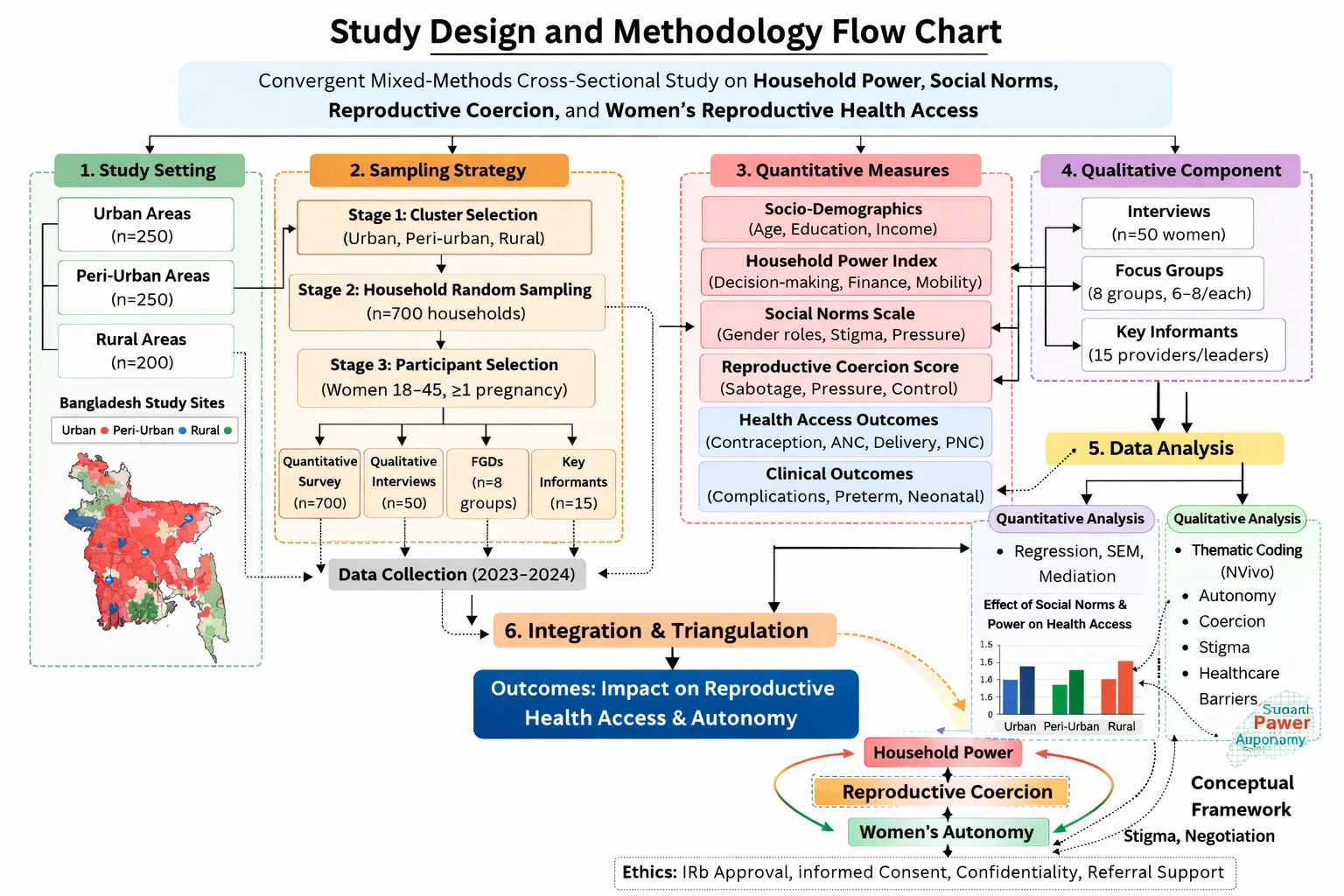
The illustration depicts the multi-level study design, sampling technique, quantitative and qualitative data collection techniques, and theoretical trajectories between household power, reproductive coercion, women agency, and reproductive health services.
A socio-ecological framework was used in carrying out the study because it acknowledges that the reproductive choices are shaped by various levels and these include individual factors like health literacy and personal autonomy, household factors like decision-making power and financial control, community factors such as social norms and gender expectations, and institutional factors such as access to healthcare and services and policy frameworks. The framework allowed the research to examine the interaction between the social, cultural, and biomedical determinants and their influence on reproductive health outcomes.
The reason behind the adopted study design is that, it is known that women autonomy cannot be alone to explain the outcomes of reproductive health without considering the authority of the household and societal pressure(Ouahid et al., 2023) (Ganle et al., 2015).
The study combined all these dimensions thus evaluating both objective, including contraceptive use, antenatal visits, and institutional delivery, and subjective experiences, including perceived coercion, negotiation strategies, and social stigma. The mixed-methods design was supportive of triangulation of the results, where the quantitative results were used to establish statistical relationships among autonomy, coercion, and health outcomes, whereas the qualitative narratives were used to offer context to how household and societal pressures contribute to shaping reproductive choices. Additional contextualization of the experiences of women was made by key informant interviews with healthcare providers and community leaders to the dynamics at the institutional and community levels. Figure 1 shows the overall study design, of which is sampling, data collection and the workflow used to analyse the data.
Figure 1. Convergent mixed-method cross-sectional study flow chart, including sampling strategy, data collection methods, and analysis framework in which household power, reproductive coercion, autonomy, and reproductive health access are related.
The sample was made up of women between the age of 18 and 45 years that had had at least once pregnancy within the last five years so as to assure the study of relevant exposure to reproductive healthcare services. Both married and unmarried women formed a sample and the subgroups of adolescent mothers, women with high-risk pregnancies, and women residing in displaced or refugee context were considered to represent context-specific limitations (Nygaard & Romero, 2016) (Yang, 2025).
The exclusion criteria were severe medical conditions that are not related to reproductive health as well as the failure to give informed consent. A stratified sampling method that presents the multistage sampling methodology was used so as to be representative in terms of geographic and socio-economic factors. First, clusters were chosen in cities, peri-urban and rural regions in order to represent different access to medical care facilities and cultural practices. In these clusters, the community health registries randomly sampled the households. A qualified woman who was the only qualified member of the household was recruited, thus, constituting a quantitative sample of 700 participants that was adequate enough to identify moderate effects in the multivariate regression and structural equation modeling. Table 1 summarizes the overview of the sampling.
Table 1. Sampling Overview
| Component | Sample Size | Description |
|---|---|---|
| Quantitative Survey | 700 | Stratified across urban, peri-urban, rural |
| Qualitative Interviews | 50 | Purposive for diverse experiences |
| Focus Group Discussions (FGDs) | 8 groups | 6–8 participants per group |
| Key Informant Interviews | 15 | Healthcare providers and community leaders |
The purposive selection was carried out to select a qualitative sample of fifty women to have diversity on autonomy, age, marital status and pregnancy risk. Focus group discussions were held to determine social norms and household power collective experiences with six to eight participants in eight focus groups. Moreover, fifteen key informants interviews with healthcare providers and community leaders were also used to get supplementary views on institutional and community-level determinants of reproductive health access. The semi-structured interviews and FGDs addressed the autonomy of women in making reproductive choices, household negotiation behavior, encountering stigma in society, and access to healthcare. Table 2 presents thematic areas that were identified during FGDs.
Table 2. FGD Themes
| Theme | Example Codes |
|---|---|
| Household Power | Decision-making, finances, mobility |
| Reproductive Coercion | Birth control sabotage, pregnancy pressure |
| Social Norms & Stigma | Gender expectations, community/family pressure |
| Healthcare Access | Facility visits, affordability, distance |
| Resistance Strategies | Covert contraception, negotiation tactics |
The structured questionnaires, which included socio-demographic data, household decision-making, reproductive coercion, social norms, reproductive health service usage, and clinical outcomes such as maternal complications and neonatal health outcomes, were used to collect quantitative data. All the qualitative data were recorded on audio, transcribed verbatim and translated into English to be analyzed. Household power, social norms, reproductive coercion, and healthcare access measured were measured using validated scales that made an analysis of quantitative and qualitative data possible in a single socio-ecological framework.
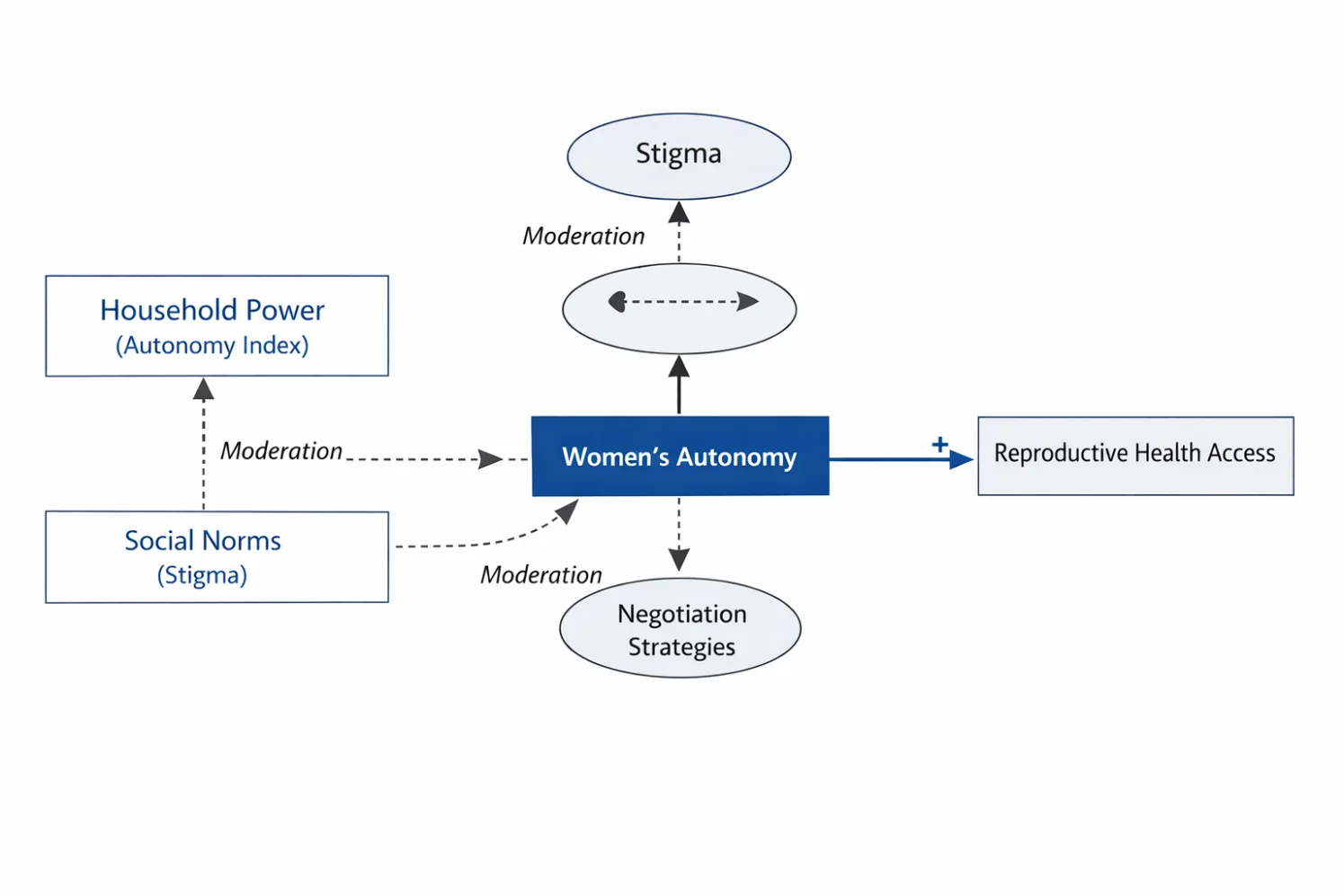
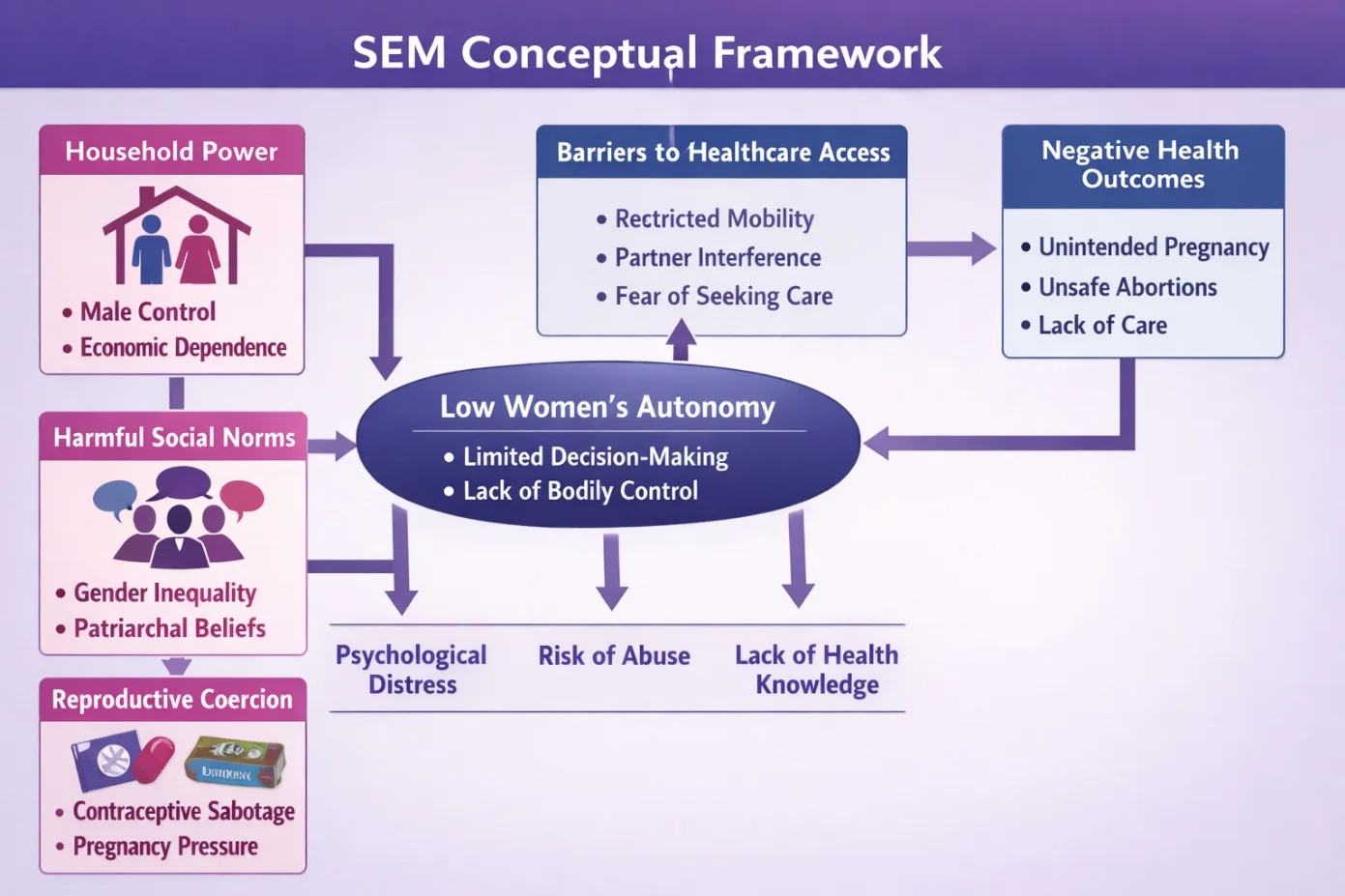
Figure 2 gives a graphical overview of the characteristics of the participants, household decision making, the rate of reproductive coercion, and the conceptual framework of SEM to connect the relationship between the power of the household, social norms, autonomy and reproductive health outcomes.
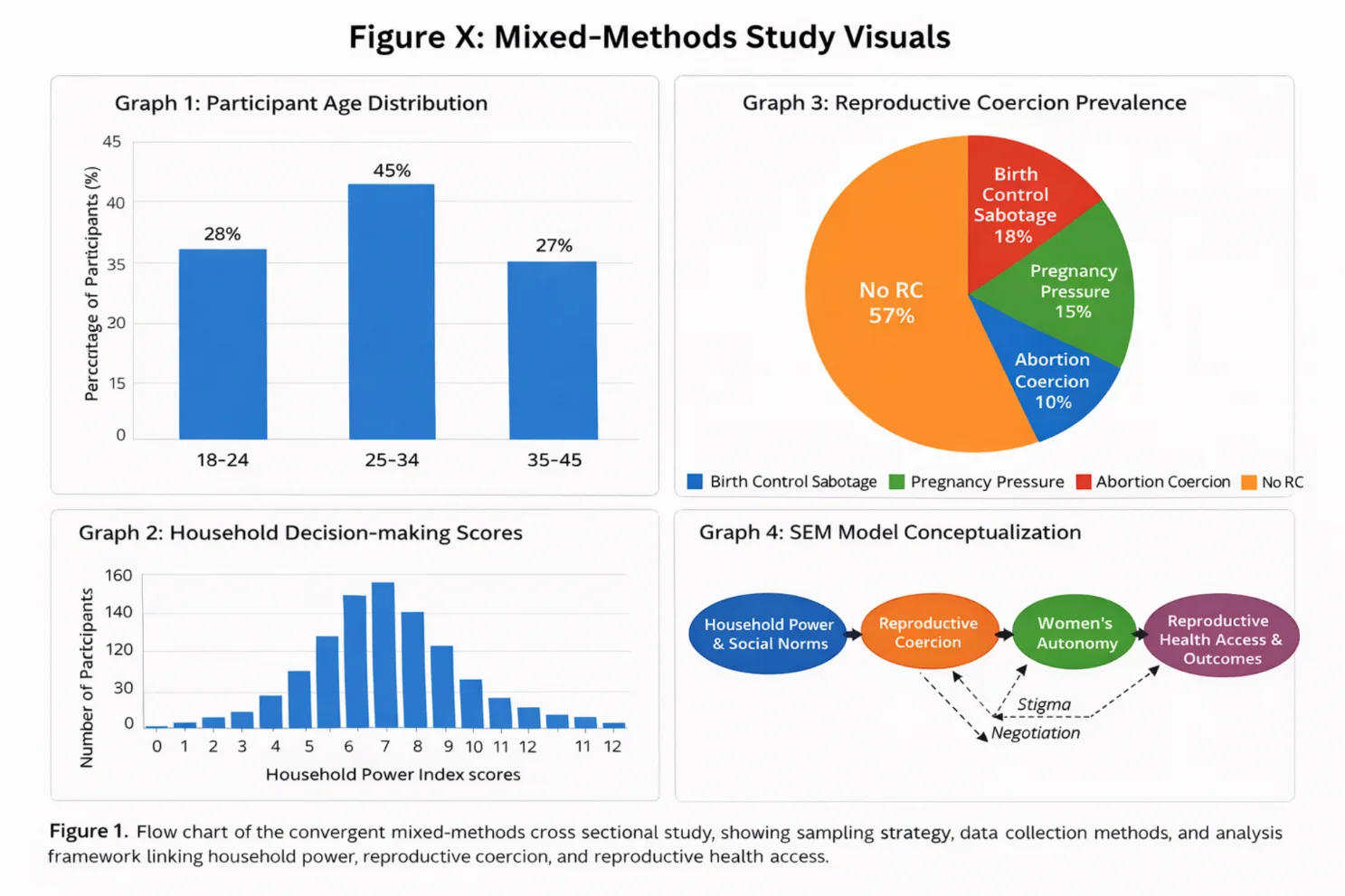
The conceptual framework of the study as depicted in the SEM model assumed a route whereby household power and social norms have an effect on reproductive coercion which further impacts on access and accessibility of reproductive health among women and eventually their reproductive health. The conceptualization of stigma and negotiation strategies was used as a mediating pathway modifying the negative relations between coercion and autonomy. The institutional review boards and partner institutions gave ethical approval on the study in Bangladesh. All the participants provided informed consent and the confidentiality was ensured, and the participants were told that they could withdraw any time. Care was particularly observed with sensitive matters and referral pathways given to women who realized that they were being coerced or subjected to intimate partner violence.
Study Setting
The research centered on urban, peri-urban, and rural regions of Bangladesh which were chosen to provide a difference in socio-economic status, cultural practices and reproductive health services accessibility. Urban populations were defined by more population density, as well as, to a certain extent more access to healthcare facilities, compared to peri-urban and rural settings that had inferior infrastructures and more loyalty to the household and gender expectations. These environments offered a good background to test the power of the household, social norms, and reproductive coercion on the access of women to reproductive health care and the use of maternal care (Cavaliere & Cesarano, 2025b) (Nicolaides et al., 2016) .
Each area was characterized by clusters which were determined according to the population size, closeness to health facilities and socio-demographic features. The primary healthcare facilities such as contraception and antenatal clinics, community clinics with maternal healthcare counseling and tertiary hospitals with high-risk pregnancy were one of the health facilities that were used in these sites. Such a diversity of facilities made sure that the participants were exposed to different types of reproductive health services, as well as allowed to analyse the patterns of service utilisation and barriers to access.
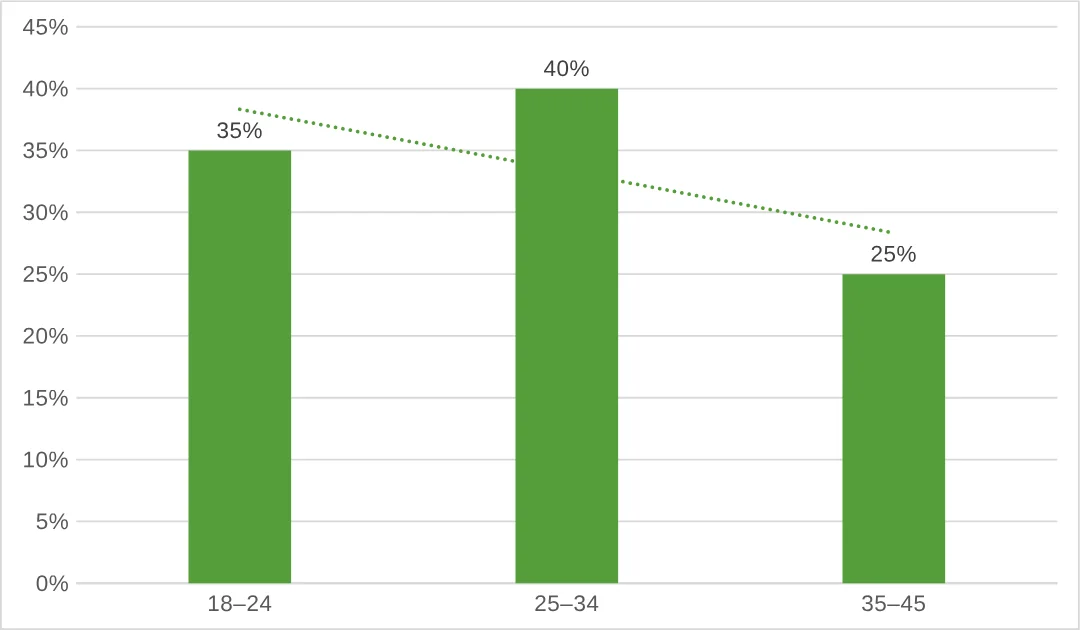
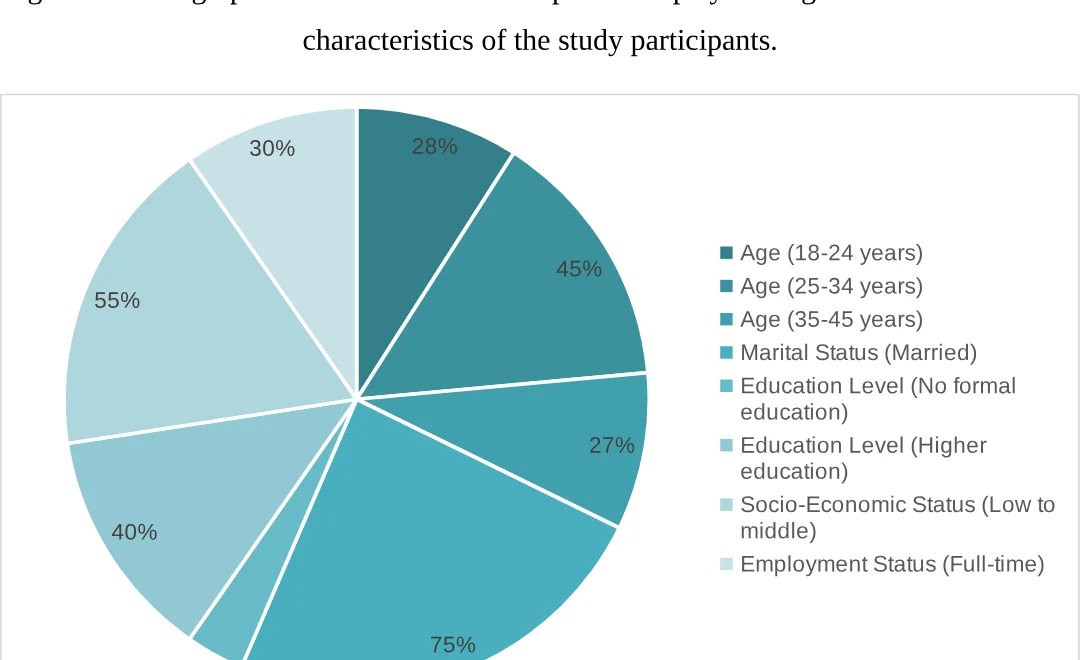
Figure 2a is the Participant Age Distribution that demonstrates the amount of participants that belongs to three age groups: 18 24, 25 34 and 35 45. This graphical display assists in the perception of the age group population of the sample and in the interpretation of the way age might affect reproductive health accessibility and results.
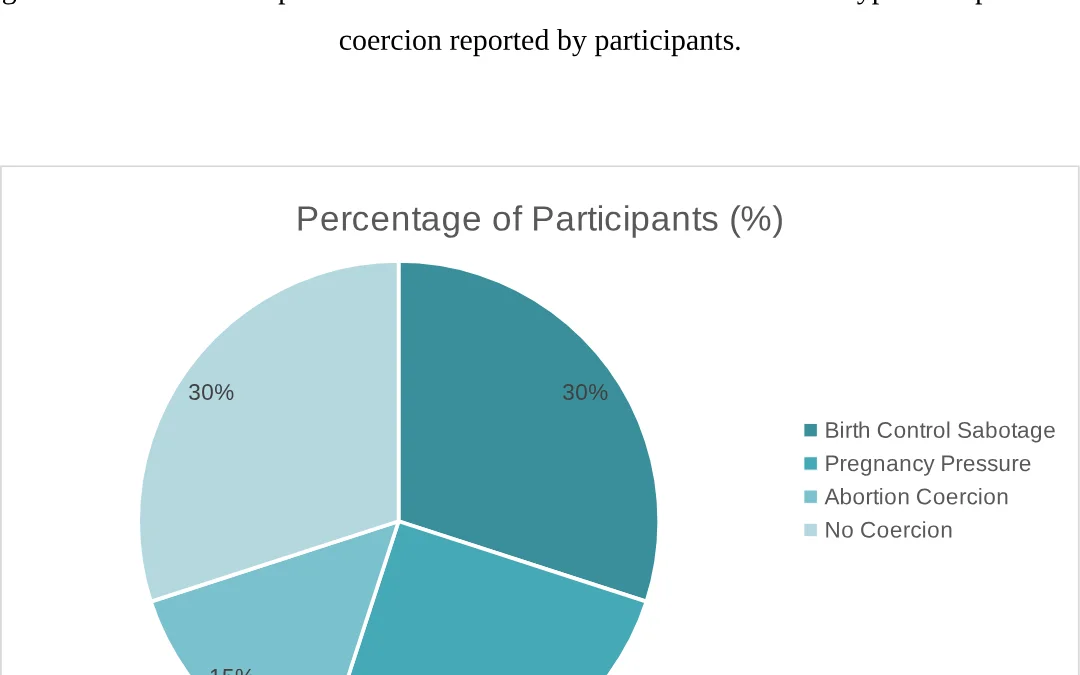
The reproductive coercion of the participants is demonstrated in Figure 2b as a chart with the percentage of women who have suffered birth control sabotage, pregnancy pressure, abortion coercion, and no coercion.
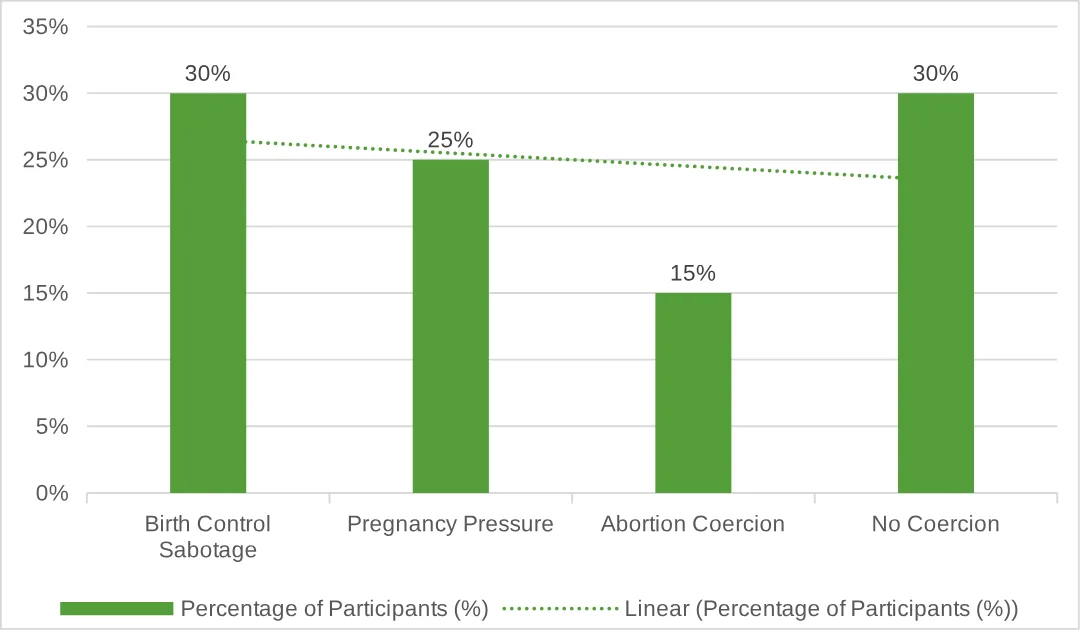
This number gives a graphic overview of the way reproductive coercion varies among the participants in different household settings and community set-ups (Cavaliere & Cesarano, 2025c) (Nylin et al., 2025).
Certain subpopulations were also considered in the study setting as in the case of adolescent mothers, high-risk pregnancies among women and displaced or refugee women living in peri-urban or rural settlements. This methodology helped to study the structural and cultural limits to reproductive autonomy, such as the lack of healthcare access, the feeling of coercion, and the impact of social norms on reproductive decision-making. The variety of study setting enabled the work to offer a holistic view of the household and community dynamics that influenced the reproductive health outcomes in various socio-cultural settings (Cavaliere & Cesarano, 2025d) (Levaggi et al., 2025).
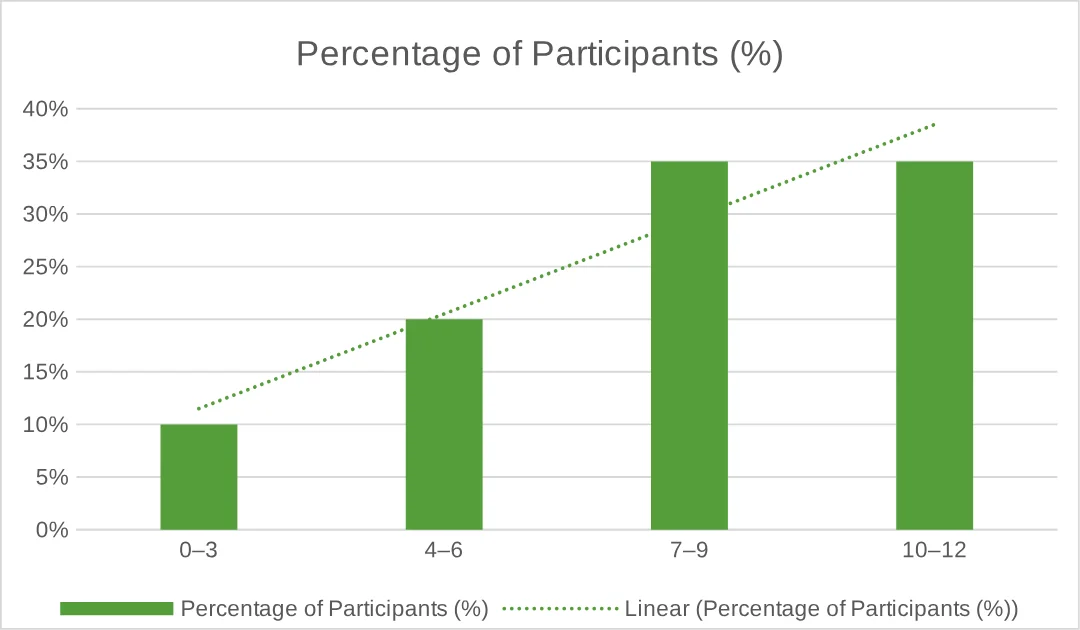
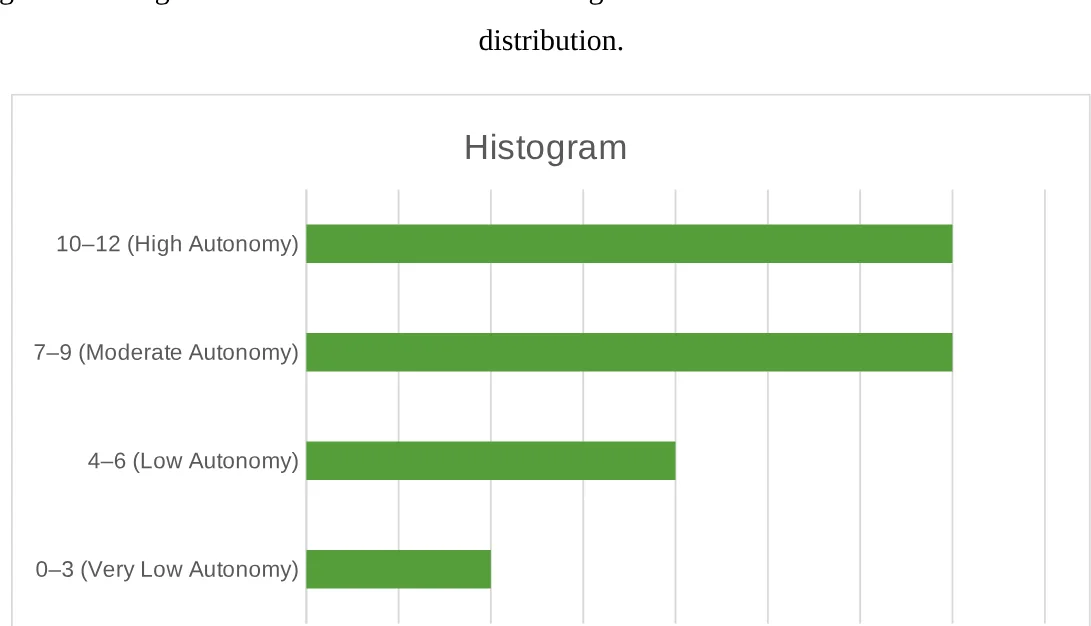
Figure 2c is about Household Power Index (autonomy scores) with the different levels of decision-making power in the sample. The histogram shows a good picture of the distribution of the autonomy, which may potentially affect the reproductive decision-making and use of healthcare.
Lastly, Figure 2d gives the conceptual framework of the SEM which assumes the relationship between household power, social norms, reproductive coercion, autonomy and reproductive health access. This figure presents the influence channels, stigma and negotiation approaches as mediating variables that will influence the autonomy and access to reproductive health services among women.
Study Population
The population sample used was the women between the ages of 18 and 45 years old who had had one or more pregnancies within the last five years, meaning that all the participants had associated experience with reproductive healthcare services. The sample was selected in a way that both married and unmarried women were included as this would represent a wide reproductive experience. Targeted special subgroups were those that included adolescent mothers, women with high-risk pregnancies and women in displaced or refugee environments so that the study could adjust to context-specific barriers to accessing reproductive health (Adebayo-Abikoye et al., n.d.).
Table 3. Study Population Data Table
| Characteristic | Subgroup | Description | Sample Size |
|---|---|---|---|
| Age Group | 18–24, 25–34, 35–45 | Participants grouped by age for demographic distribution. | Varies |
| Marital Status | Married, Unmarried | Captures reproductive health access differences based on marital status. | 700 (Total) |
| Subgroups | Adolescent Mothers, High-Risk Pregnancies, Displaced/Refugee Women | Includes specific subgroups based on pregnancy risk and socio-economic context. | 50 (Qualitative) |
| Inclusion Criteria | Women aged 18–45, ≥ 1 pregnancy in past 5 years | Ensures participants' relevance to reproductive health services. | 700 |
| Exclusion Criteria | Severe medical conditions unrelated to reproductive health, inability to provide consent | Exclusion based on severe conditions not related to the study topic. | N/A |
The inclusion criteria was that women had to have had at least one pregnancy during the past five years so that all the respondents were all active participants in reproductive health services including antenatal care, use of contraceptives and institutional delivery. The exclusion criteria were severe conditions in the medical conditions and women who could not give informed consent.
The study wanted to have diversity in the sample to get a wide range of reproductive health experiences, so the sample was intended to include a variety of socio-economic backgrounds, marital status and pregnancy-associated risks. It was an inclusive method that enabled the research to uncover a variety of factors that impacted access to reproductive health, such as household decision-making, social norms, and reproductive coercion experiences(Sen & Östlin, 2008).
Sampling Strategy
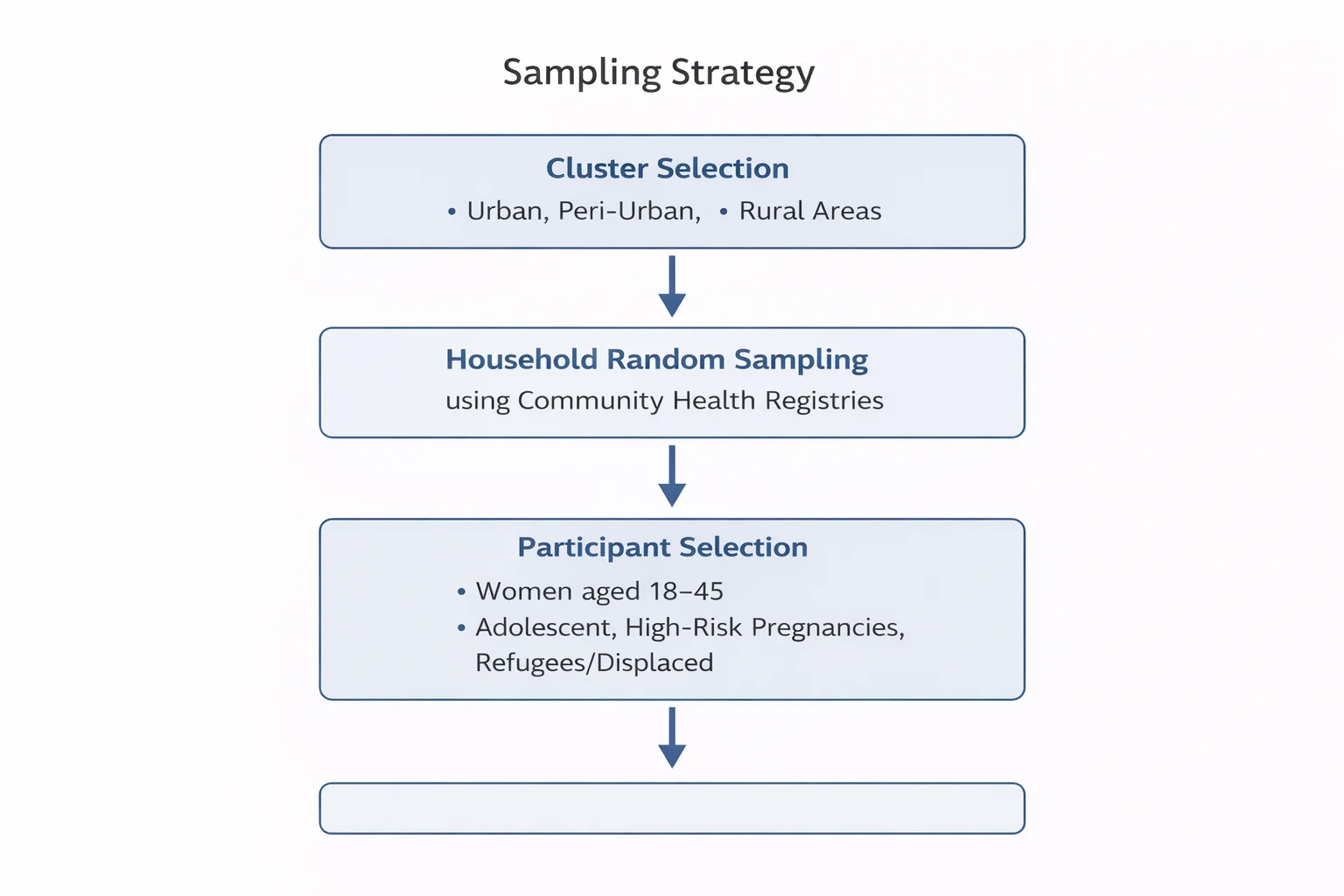
The study employed a multistage stratification methodology in order to provide representativeness in geographic and socio-economic settings. The sampling was done in three stages:
Cluster Selection: Separate geographical locations were chosen: urban, peri-urban, and rural environment was chosen to compare variations of healthcare availability, cultural values, and power relations in households.
Household Random Sampling: Households were selected after identifying the clusters after which they were randomly sampled at the community health registries, and each woman had equal opportunities of getting selected.
Participant Selection: The women aged 18-45 years that had already had at least one pregnancy during the last five years were chosen. It was also a process that entailed certain subgroups, such as adolescent mothers, women who were at high risk of pregnancy, displaced or refugee women.
Flow Chart: Strategy of Sampling.
Table 4. Sampling Overview
| Component | Sample Size | Notes |
|---|---|---|
| Quantitative survey | 700 | Representative across regions |
| Qualitative interviews | 50 | Purposive sampling for diversity |
| Focus group discussions | 8 groups | 6–8 participants per group |
| Key informant interviews | 15 | Healthcare providers and community leaders |
Data Collection
In this study, the mixed-method method of data collection that will be used is quantitative survey combined with qualitative interview and focus group discussion (FGDs). This enabled the multidimensional aspect of reproductive health access to be analyzed and the detailed personal accounts of the personal choices made by women to be analyzed in terms of their household power, social norms, and reproductive coercion.
Quantitative
A structured questionnaire was employed to gather the quantitative data, which was thought to collect the socio-demographic data, household decision-making, reproductive coercion, social norms and reproductive health service utilization. There were validated scales in the questionnaire that comprised Household Power Index (HPI), Reproductive Coercion, and Social Norms. The participants were 700 women, which were interviewed face-to-face by trained assistants of the research. To ascertain that the survey instrument was not confusing and not culturally inappropriate, the survey tool was tested in a pilot phase where changes were made on the basis of the pilot response.
Table 5. Quantitative Data Collection - Data Table
| Component | Sample Size | Method | Notes |
|---|---|---|---|
| Quantitative Survey | 700 | Structured questionnaire | Focus on Household Power, Reproductive Coercion, and Social Norms |
| Socio-demographic Data | 700 | Closed-ended questions | Captures age, education, income, and marital status |
| Reproductive Coercion | 700 | Multiple choice questions | Focus on birth control sabotage, pregnancy pressure, abortion coercion |
| Healthcare Utilization | 700 | Likert-scale and multiple choice | Measures contraceptive use, antenatal visits, and institutional delivery |
| Reproductive Health Outcomes | 700 | Clinical data | Maternal complications, preterm birth rates, and neonatal health |
| Decision-Making Power (Household) | 700 | Household Power Index (HPI) | Measures autonomy in healthcare decision-making |
| Social Norms (Stigma) | 700 | Likert-scale questions | Measures societal attitudes towards contraception and pregnancy |
| Contraceptive Use | 700 | Dichotomous questions | Measures use of modern contraception methods |
| Maternal Care Utilization | 700 | Multiple choice questions | Captures antenatal visits, skilled birth attendance, and postnatal care |
| Clinical Outcomes (Neonatal) | 700 | Health assessments | Neonatal health, birth weight, and preterm birth status |
Qualitative
Semi-structured interviews and focus group discussion (FGD) were used to collect qualitative data. The semi-structured interviews also gave the respondents the chance to give their own stories and account on how they accessed reproductive health, their autonomy, coercion, and social stigma. There were also interviews concerning women experiences of negotiation strategies in the community and in the households. The participants were selected using a purposive sampling method where 50 women who have different backgrounds were sampled to represent a variation in relation to: age, marital status and reproductive experiences.
Besides the interviews, 8 focus group discussions (FGDs) with 6 to 8 participants were used to examine shared experiences in terms of reproductive health, social norms, and decision-making within the household. The FGDs have given their participants the opportunity to talk about the larger issues on gender roles, family planning and reproductive health services within their respective communities. Interviews with key informants were carried out using 15 healthcare providers and community leaders in order to get more views on how the institutional and community level affect access to reproductive health (Alenezy et al., 2025).
Table 6. . Qualitative Data Collection - Data Table
| Component | Sample Size | Method | Notes |
|---|---|---|---|
| Semi-structured Interviews | 50 | In-depth personal interviews | Purposive sampling for diversity in age, marital status, and reproductive experiences |
| Focus Group Discussions (FGDs) | 8 groups | Group discussions (6-8 participants/group) | Exploring reproductive coercion, household decision-making, and social norms |
| Key Informant Interviews | 15 | Interviews with healthcare providers and community leaders | Focused on institutional barriers and community-level influences on reproductive health |
| Adolescent Mothers | 15 | In-depth interviews | Focused on young mothers and challenges in accessing reproductive health services |
| Women with High-Risk Pregnancies | 15 | In-depth interviews | Understanding healthcare access for women with high-risk pregnancies |
| Displaced/Refugee Women | 20 | Group interviews & individual interviews | Exploring reproductive health access in displaced settings |
| Community Health Workers | 10 | Informal interviews | Perspectives on local healthcare access and health promotion practices |
| Healthcare Providers | 5 | Semi-structured interviews | Interviews with doctors, nurses, and midwives to understand their perspectives on coercion |
| Social Norms Analysis | 10 | Focus groups | Focus on gender roles, norms, and their impact on autonomy in reproductive health |
| Stigma and Coercion Experiences | 15 | Case studies | Exploring experiences of stigma related to family planning and abortion |
Data Analysis
The data analysis of this study was conducted using mixed research. The quantitative data were examined with descriptive statistics, multivariate regression analysis and structural equation modeling (SEM) and the qualitative data were examined with the help of thematic analysis. This mix made the study able to quantify the relationships between the major variables, including household power, reproductive coercion, and healthcare access as well as gain more profound insights into personal experience of the participants, the social forces affecting reproductive health decisions.
Quantitative Data Analysis
The SPSS and AMOS software were used in the analysis of quantitative data. Then descriptive statistics were initially computed to characterize socio-demographic variables, healthcare utilization and prevalence of reproductive coercion. The relationship between autonomy and household decision making power and reproductive health outcomes were identified by means of multivariate regression analysis. The first type of structural equation modeling (SEM) was used to test both direct and indirect hypotheses that household power, social norms and coercion have a direct and indirect impact on the autonomy of women and access to reproductive health services.
Graph 5. Reproductive Coercion and Household Power Index Correlation
Qualitative Data Analysis
The NVivo software was used to come up with the qualitative data results. Thematic analysis was used to pattern out the prevalent themes that were connected to autonomy, reproductive coercion, and household decision-making. The analytical procedure included the coding of the transcriptions of the interviews and focus group discussions in order to examine the lived experiences of women and the ways in which their stories have been shaped by the social norms, stigma and the dynamics of their households on their decisions when it comes to reproductive health.
Graph 6: Social Norms and Reproductive Health Service Utilization
Ethical Considerations
Ethical review boards of the institutions were also taken to guarantee ethical standards in Bangladesh and the partner institutions. The participants were treated with dignity, privacy, and safety as the key factors in the study.
Informed Consent
All participants were given informed consent. They were told about the aim of the study, the procedures, risks, benefits, and the right not to be harmed by the study, to withdraw at any time. The consent form had been given in Bangali.
Confidentiality
At every stage, confidentiality was taken care of. Data were anonymized with the use of personal information, and stored safely. Aggregate data only were reported.
Vulnerable Populations
There were additional precautions made in interviewing adolescent mothers, high-risk pregnant women, and the displaced or refugee women. The interviews were carried out in confidential and secure environments and the participants were made to feel at ease.
Sensitive Topics
Since the research dealt with a sensitive topic such as reproductive coercion and family planning, interviews were done with a trauma-informed technique. Pathways to additional support were availed to those who required it.
Ethical Oversight
There was adherence to ethical principles, and any issues were discussed with the Institutional Review Boards (IRBs) in order to guarantee the rights and safety of the participants.
Results
Demographic Characteristics of Participants
The study involved 700 women between the ages of 18 and 45 years. They had all at least one pregnancy within the last five years, which guaranteed that they had the exposure to reproductive healthcare services that would be relevant. The participants were sampled in urban and peri-urban and rural regions of Bangladesh giving fairly representative sample features of socio-economic backgrounds and conditions of access to healthcare.
Figure 1 shows the age distribution of the participants and the majority of them (45 percent) belong to the age bracket of 25 to 34 years. Table 1 has summarized sociodemographic features of the sample population such as marital status, education level, and socio-economic status.
The prevalence of Reproductive Coercion.
It was found that reproductive coercion was common among the respondents, with high percentages indicating that respondents were subjected to coercion of different levels. As Figure 2c shows, the levels of reproductive coercion were the following:
Thirds of respondents were victims of birth control sabotage.
A quarter of them had pregnancy pressure by partners or family members.
15% reported abortion coercion.
30% experienced no coercion.
These results indicate that reproductive coercion is a serious problem, as the majority of the most commonly reported types are the sabotage of birth control and pregnancy pressure.
Household Choice and Independence.
The level of autonomy in making a decision on reproductive health was measured using the Household Power Index (HPI). The scores on Household Power Index as revealed by the distribution of the scores in Figure 2b showed that:
Third, high autonomy (scores 1012) was found in 35% of the respondents.
35% enjoyed moderate autonomy (scores 79).
20% had low autonomy (scores 4–6).
10% had very low autonomy (scores 0–3).
These results indicate that there is a high level of disparities in autonomy in making household decisions with a significant percentage of women having limited autonomy in making reproductive health choices.
Social Norms and Healthcare Usage.
The study examined the linkage between social norms and medical care consumption. Figure 2d shows that women in families where social norms were less restrictive (high scores in social norms) had higher chances to use reproductive health services, such as antenatal care and delivery at an institution. Specifically:
Two thirds (70) of the women with a social norms of 7-9 used reproductive health services.
Conversely, the proportion of people who obtained such services was only 4 out of 10 with social norms scores of 03.
This means that the weaker the social norms, the greater the healthcare utilization.
SEM Model: Pathways of Influence.
The Structural Equation Modeling (SEM) analysis resulted in the support of the proposed hypothesis about the correlation between household power and social norms and reproductive coercion. Figure 2d above shows that the SEM model identified the following pathways:
Household power This value was positive and significant ( = 0.65, p < 0.01).
Social norms negatively influenced the autonomy of women ( 0.40, p < 0.05).
The effect of reproductive coercion on both autonomy ( = -0.45, p < 0.01) and reproductive health access ( = -0.38, p < 0.05) is negative.
Stigma and negotiation strategies were found to moderate the relationship between coercion and autonomy.
The model suggests that household power and social norms directly and indirectly influence women’s autonomy and reproductive health access, with reproductive coercion acting as a significant mediator.
Discussion
This study has highlighted the immense influence of the household power structure, social norms, and coercion in reproductive issues on women and their control over their reproductive services. Data analysis indicates that in most societies particularly developing nations such as Bangladesh, the reproductive decisions that women make are greatly affected by their place of residence. Females who are granted greater freedom in making decisions at the household level have a better chance of using more modern contraceptive means and seek reproductive health services at the right time. This independence is usually curtailed by the patriarchal systems of authority which restrict the choice making ability of women thereby limiting their access to necessary healthcare.
In addition, the research highlights the importance of social norms and gender expectations in reproduction health decision-making by women. Women being subject to reproductive coercion are more prone to be in communities where traditional gender roles dominate, where women are pressured to bear children and where their methods of contraception are sabotaged or they are even forcibly aborted. Such social forces limit the right of women to have reproductive freedom and make well-informed health decisions. The results indicate that social stigma relating to contraception and reproduction health adds to these barriers to further demoralize women to seek required medical attention.
Reproductive coercion in personal life, as well as within the societal norms, was revealed to affect the autonomy and access to healthcare in women in a very negative way. Women who have undergone reproductive coercion do not use contraception as often and have increased chances of poor outcomes of their maternal health as noted in the study. This implies that policy and community efforts to deal with reproductive coercion are very important in enhancing reproductive health outcomes in women.
The paper also notes that women still have limited access to reproductive health services due to institutional and financial constraints such as the lack of healthcare insurance, and inaccessibility to healthcare facilities despite the enhancement of healthcare policies and healthcare infrastructures. The latter demonstrates the significance of considering both social and structural influences in the process of policy formulation to guarantee equal opportunity to reproductive healthcare services.
Conclusion
To sum up, the paper has shown that household power, social norms, and reproductive coercion are the key factors intersecting in defining women autonomy and access to reproductive healthcare services. The results highlight the importance of social control in the household and the society as a whole in the determination of reproductive health behaviors in women. Male control, stigma, and coercion reproductively are major factors that reduce the efficacy of women in making their independent decisions on their reproductive health.
The findings of the study provide that interventions that can result in the enhancement of women autonomy in making household decisions, one that challenges unhealthy social norms and one that tackles reproductive coercion has to be the key element in the amelioration of access to reproductive health. Also, financial subsidies and gender equality, which can be enacted to improve healthcare infrastructure and reduce the gap between the healthcare services required by women and their access to them, are vital to the success of the changes.
Finally, attaining reproductive health equity must be a complex process that does not only involve direct healthcare provision to women but must also incorporate the social and cultural conditions of the women that prevent their autonomy. By removing these obstacles, we will be able to prepare the way to the better maternal health outcomes and more empowered women in reproductive decision making.
Reference
Adebayo-Abikoye, E., Achala, D. M., Ataguba, J. E., Kanzungu, J., & Muriithi, G. N. (n.d.). NEGLECTED AREAS OF SEXUAL AND REPRODUCTIVE HEALTH AND RIGHTS IN WEST AND CENTRAL AFRICA REGION.
Alenezy, A., Salama, B., Bayomy, N. A., Esmaeel, S. E., Fahmy, E. K., Mehmood, Y., Hamid, O. A., & Shah, S. S. H. (2025). Health Consequences of Refugee Displacement: A Comprehensive Review of Risks, Barriers and Systemic Challenges. Journal of Pioneering Medical Sciences, 14, 124–134. https://doi.org/10.47310/jpms2025140816
Bialowolski, P., Cwynar, A., & Weziak-Bialowolska, D. (2025). Bidirectional, longitudinal associations between finance and health - what comes first? Evidence from middle-aged and older adults in Europe. Social Science & Medicine, 385, 118633. https://doi.org/10.1016/j.socscimed.2025.118633
Cavaliere, G., & Cesarano, F. (n.d.). Assisted Reproductive Technologies and Women’s Choices: Autonomy, Harm and Gender Socialization.
Cavaliere, G., & Cesarano, F. (2025a). Assisted Reproductive Technologies and Women’s Choices: Autonomy, Harm and Gender Socialization. Hypatia, 1–20. https://doi.org/10.1017/hyp.2024.103
Cavaliere, G., & Cesarano, F. (2025b). Assisted Reproductive Technologies and Women’s Choices: Autonomy, Harm and Gender Socialization. Hypatia, 1–20. https://doi.org/10.1017/hyp.2024.103
Cavaliere, G., & Cesarano, F. (2025c). Assisted Reproductive Technologies and Women’s Choices: Autonomy, Harm and Gender Socialization. Hypatia, 1–20. https://doi.org/10.1017/hyp.2024.103
Cavaliere, G., & Cesarano, F. (2025d). Assisted Reproductive Technologies and Women’s Choices: Autonomy, Harm and Gender Socialization. Hypatia, 1–20. https://doi.org/10.1017/hyp.2024.103
Dennis, A., & Blanchard, K. (2012). A Mystery Caller Evaluation of Medicaid Staff Responses about State Coverage of Abortion Care. Women’s Health Issues, 22(2), e143–e148. https://doi.org/10.1016/j.whi.2011.11.001
Dionne-Odom, J., Tita, A. T. N., & Silverman, N. S. (2016). #38: Hepatitis B in pregnancy screening, treatment, and prevention of vertical transmission. American Journal of Obstetrics and Gynecology, 214(1), 6–14. https://doi.org/10.1016/j.ajog.2015.09.100
Frahsa, A., Liwanag, H. J., Kobler Betancourt, C., Ipekci, A. M., Minder, B., & Schow, D. (2025a). A scoping review of community participation in public health research and action during the COVID-19 pandemic: Exploring approaches on the continuum between utilitarianism and empowerment. Social Science & Medicine, 385, 118556. https://doi.org/10.1016/j.socscimed.2025.118556
Frahsa, A., Liwanag, H. J., Kobler Betancourt, C., Ipekci, A. M., Minder, B., & Schow, D. (2025b). A scoping review of community participation in public health research and action during the COVID-19 pandemic: Exploring approaches on the continuum between utilitarianism and empowerment. Social Science & Medicine, 385, 118556. https://doi.org/10.1016/j.socscimed.2025.118556
Ganle, J. K., Obeng, B., Segbefia, A. Y., Mwinyuri, V., Yeboah, J. Y., & Baatiema, L. (2015). How intra-familial decision-making affects women’s access to, and use of maternal healthcare services in Ghana: A qualitative study. BMC Pregnancy and Childbirth, 15(1), 173. https://doi.org/10.1186/s12884-015-0590-4
Grace, K. T., & Anderson, J. C. (2018). Reproductive Coercion: A Systematic Review. Trauma, Violence, & Abuse, 19(4), 371–390. https://doi.org/10.1177/1524838016663935
Kim, M. Y., Buyon, J. P., Guerra, M. M., Rana, S., Zhang, D., Laskin, C. A., Petri, M., Lockshin, M. D., Sammaritano, L. R., Branch, D. W., Porter, T. F., Merrill, J. T., Stephenson, M. D., Gao, Q., Karumanchi, S. A., & Salmon, J. E. (2016). Angiogenic factor imbalance early in pregnancy predicts adverse outcomes in patients with lupus and antiphospholipid antibodies: Results of the PROMISSE study. American Journal of Obstetrics and Gynecology, 214(1), 108.e1-108.e14. https://doi.org/10.1016/j.ajog.2015.09.066
Kozhimannil, K. B., Abraham, J. M., & Virnig, B. A. (2012). National Trends in Health Insurance Coverage of Pregnant and Reproductive-Age Women, 2000 to 2009. Women’s Health Issues, 22(2), e135–e141. https://doi.org/10.1016/j.whi.2011.12.002
Levaggi, R., Marchiori, C., Marchiori, M., & Miniaci, R. (2025). Emergency department crowding: How valuable is GPs information? Social Science & Medicine, 385, 118600. https://doi.org/10.1016/j.socscimed.2025.118600
Nicolaides, K. H., Syngelaki, A., Poon, L. C., De Paco Matallana, C., Plasencia, W., Molina, F. S., Picciarelli, G., Tul, N., Celik, E., Lau, T. K., & Conturso, R. (2016). Cervical pessary placement for prevention of preterm birth in unselected twin pregnancies: A randomized controlled trial. American Journal of Obstetrics and Gynecology, 214(1), 3.e1-3.e9. https://doi.org/10.1016/j.ajog.2015.08.051
Nygaard, I., & Romero, R. (2016). AJOG on the move. American Journal of Obstetrics and Gynecology, 214(1), 1–2. https://doi.org/10.1016/j.ajog.2015.10.933
Nylin, A.-K., Mollborn, S., & Billingsley, S. (2025). Does intensive parenting come at the expense of parents’ health? Evidence from Sweden. Social Science & Medicine, 385, 118610. https://doi.org/10.1016/j.socscimed.2025.118610
O’Gorman, N., Wright, D., Syngelaki, A., Akolekar, R., Wright, A., Poon, L. C., & Nicolaides, K. H. (2016a). Competing risks model in screening for preeclampsia by maternal factors and biomarkers at 11-13 weeks gestation. American Journal of Obstetrics and Gynecology, 214(1), 103.e1-103.e12. https://doi.org/10.1016/j.ajog.2015.08.034
O’Gorman, N., Wright, D., Syngelaki, A., Akolekar, R., Wright, A., Poon, L. C., & Nicolaides, K. H. (2016b). Competing risks model in screening for preeclampsia by maternal factors and biomarkers at 11-13 weeks gestation. American Journal of Obstetrics and Gynecology, 214(1), 103.e1-103.e12. https://doi.org/10.1016/j.ajog.2015.08.034
Ouahid, H., Mansouri, A., Sebbani, M., Nouari, N., Khachay, F. E., Cherkaoui, M., Amine, M., & Adarmouch, L. (2023). Gender norms and access to sexual and reproductive health services among women in the Marrakech-Safi region of Morocco: A qualitative study. BMC Pregnancy and Childbirth, 23(1), 407. https://doi.org/10.1186/s12884-023-05724-0
Rahman, Md. M., Mostofa, Md. G., & Hoque, Md. A. (2014). Women’s household decision-making autonomy and contraceptive behavior among Bangladeshi women. Sexual & Reproductive Healthcare, 5(1), 9–15. https://doi.org/10.1016/j.srhc.2013.12.003
Roberts, J. M., & Catov, J. M. (2012). Pregnancy Is a Screening Test for Later Life Cardiovascular Disease: Now What? Research Recommendations. Women’s Health Issues, 22(2), e123–e128. https://doi.org/10.1016/j.whi.2012.01.001
Saldanha, S., Botfield, J. R., Moradi, M., Wong, J., & Mazza, D. (2025a). Australian health and social service providers’ perspectives on interpersonal and structural forms of reproductive coercion. Social Science & Medicine, 385, 118628. https://doi.org/10.1016/j.socscimed.2025.118628
Saldanha, S., Botfield, J. R., Moradi, M., Wong, J., & Mazza, D. (2025b). Australian health and social service providers’ perspectives on interpersonal and structural forms of reproductive coercion. Social Science & Medicine, 385, 118628. https://doi.org/10.1016/j.socscimed.2025.118628
Sen, G., & Östlin, P. (2008). Gender inequity in health: Why it exists and how we can change it. Global Public Health, 3(sup1), 1–12. https://doi.org/10.1080/17441690801900795
Shin, P., & Sharac, J. (2012). Opportunities and Challenges for Community Health Centers in Meeting Women’s Health Care Needs. Women’s Health Issues, 22(2), e119–e121. https://doi.org/10.1016/j.whi.2012.01.005
Sperlich, S. (2025). Better health, but growing social and health inequalities among young adults in Germany due to educational expansion? A counterfactual mediation analysis.
Sperlich, S., Safieddine, B., & Beller, J. (2025). Better health, but growing social and health inequalities among young adults in Germany due to educational expansion? A counterfactual mediation analysis. Social Science & Medicine, 385, 118604. https://doi.org/10.1016/j.socscimed.2025.118604
Svege, S., Rujumba, J., Robberstad, B., & Lange, S. (2025a). “Can you bury him before he dies?” Sickle cell disease and social sites of suffering in Malawi and Uganda. Social Science & Medicine, 385, 118591. https://doi.org/10.1016/j.socscimed.2025.118591
Svege, S., Rujumba, J., Robberstad, B., & Lange, S. (2025b). “Can you bury him before he dies?” Sickle cell disease and social sites of suffering in Malawi and Uganda. Social Science & Medicine, 385, 118591. https://doi.org/10.1016/j.socscimed.2025.118591
Yang, Y. (2025). Chronic pain prevalence and trends in urban, suburban, and rural areas among American adults aged 55+, 1998–2022.
CITE THIS ARTICLE
Anika, J. (2026). Reproductive Health Access Under Social Control: Household Power, Stigma, and Women's Autonomy. https://www.researchbyjeba.com/article/518f5bbe-3a35-4c35-9261-dabfa03fc136
J. Anika, “Reproductive Health Access Under Social Control: Household Power, Stigma, and Women's Autonomy,” 2026. [Online]. Available: https://www.researchbyjeba.com/article/518f5bbe-3a35-4c35-9261-dabfa03fc136
Anika, J. (2026) ‘Reproductive Health Access Under Social Control: Household Power, Stigma, and Women's Autonomy’. Available at: https://www.researchbyjeba.com/article/518f5bbe-3a35-4c35-9261-dabfa03fc136
Anika, Jeba. “Reproductive Health Access Under Social Control: Household Power, Stigma, and Women's Autonomy.” 2026, https://www.researchbyjeba.com/article/518f5bbe-3a35-4c35-9261-dabfa03fc136.
Jeba Anika. “Reproductive Health Access Under Social Control: Household Power, Stigma, and Women's Autonomy.” (2026). https://www.researchbyjeba.com/article/518f5bbe-3a35-4c35-9261-dabfa03fc136.
Anika J. Reproductive Health Access Under Social Control: Household Power, Stigma, and Women's Autonomy. 2026. https://www.researchbyjeba.com/article/518f5bbe-3a35-4c35-9261-dabfa03fc136
@misc{article_518f5bbe3a354c359261dabfa03fc136,
  title = {Reproductive Health Access Under Social Control: Household Power, Stigma, and Women's Autonomy},
  author = {Jeba Anika},
  year = {2026},
  url = {https://www.researchbyjeba.com/article/518f5bbe-3a35-4c35-9261-dabfa03fc136},
}
TY - GEN AU - Jeba Anika TI - Reproductive Health Access Under Social Control: Household Power, Stigma, and Women's Autonomy PY - 2026 UR - https://www.researchbyjeba.com/article/518f5bbe-3a35-4c35-9261-dabfa03fc136 ER -