Research
Qualitative and survey methods (IDI, FGD, KII), SPSS, NVivo, Microsoft Office
Jeba Anika is a sociologist and health researcher with an M.S.S. and a B.S.S. in Sociology from the University of Dhaka, now a Research Assistant at Hope Foundation for Women and Children after work as a study consultant for Médecins Sans Frontières and three years as adjunct faculty at the University of South Asia. Field research includes menstrual and reproductive health of street-connected girls in Dhaka (Nagasaki University), the health of Bihari refugees (Centre for Advanced Research) and disability-inclusive graduation programmes (BIGD). Research interests are health disparities, reproductive health, the sociology of disability, and water, sanitation and hygiene.
Latest publications and research insights.
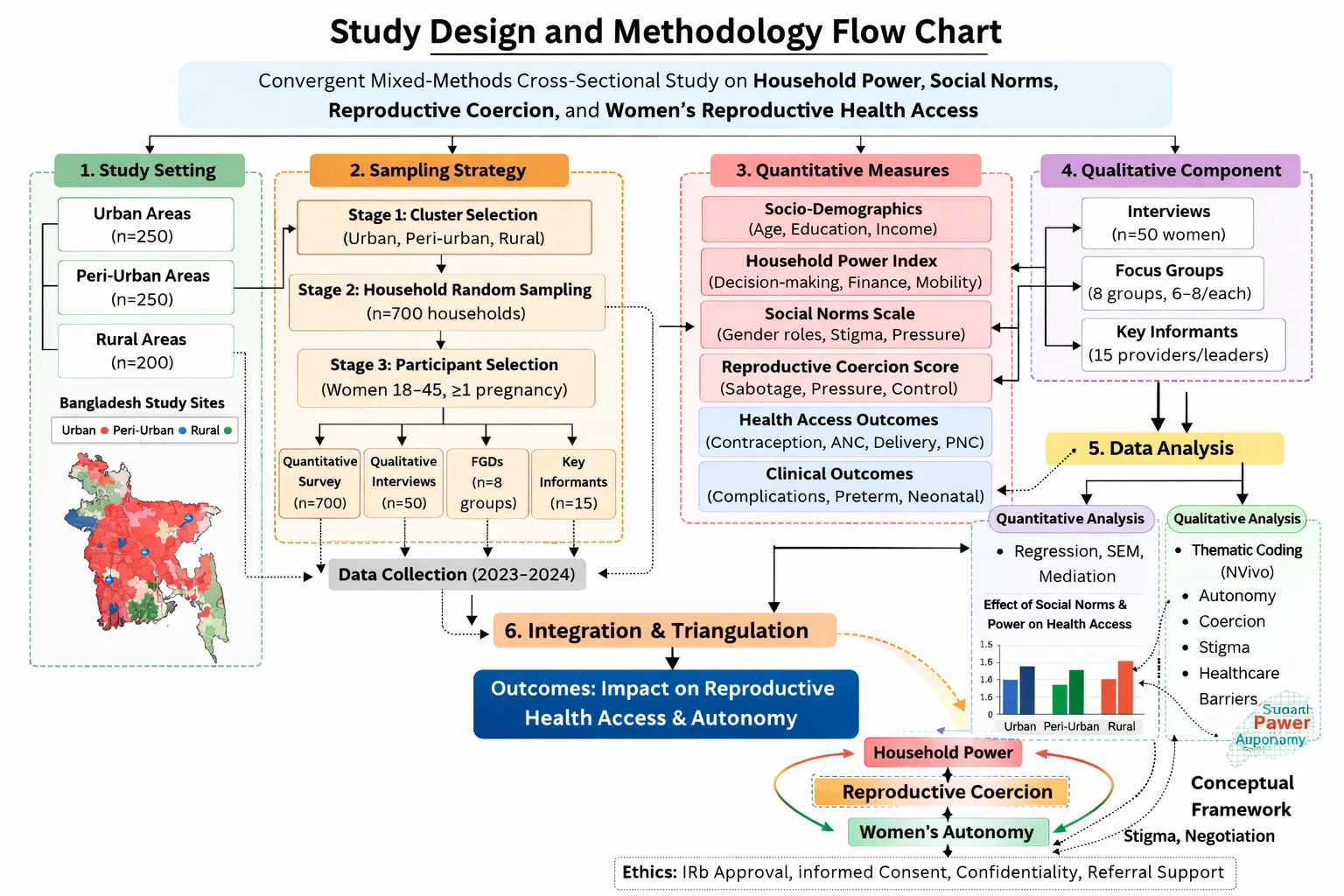
This study investigates the intersection of household power dynamics, social stigma, and women's autonomy in reproductive health decision-making, focusing on Bangladesh. It explores how these factors influence women’s access to reproductive health services and their ability to make informed reproductive choices. Using a mixed-methods design, the study combines quantitative surveys and qualitative interviews to examine the role of household decision-making power, social norms, and reproductive co
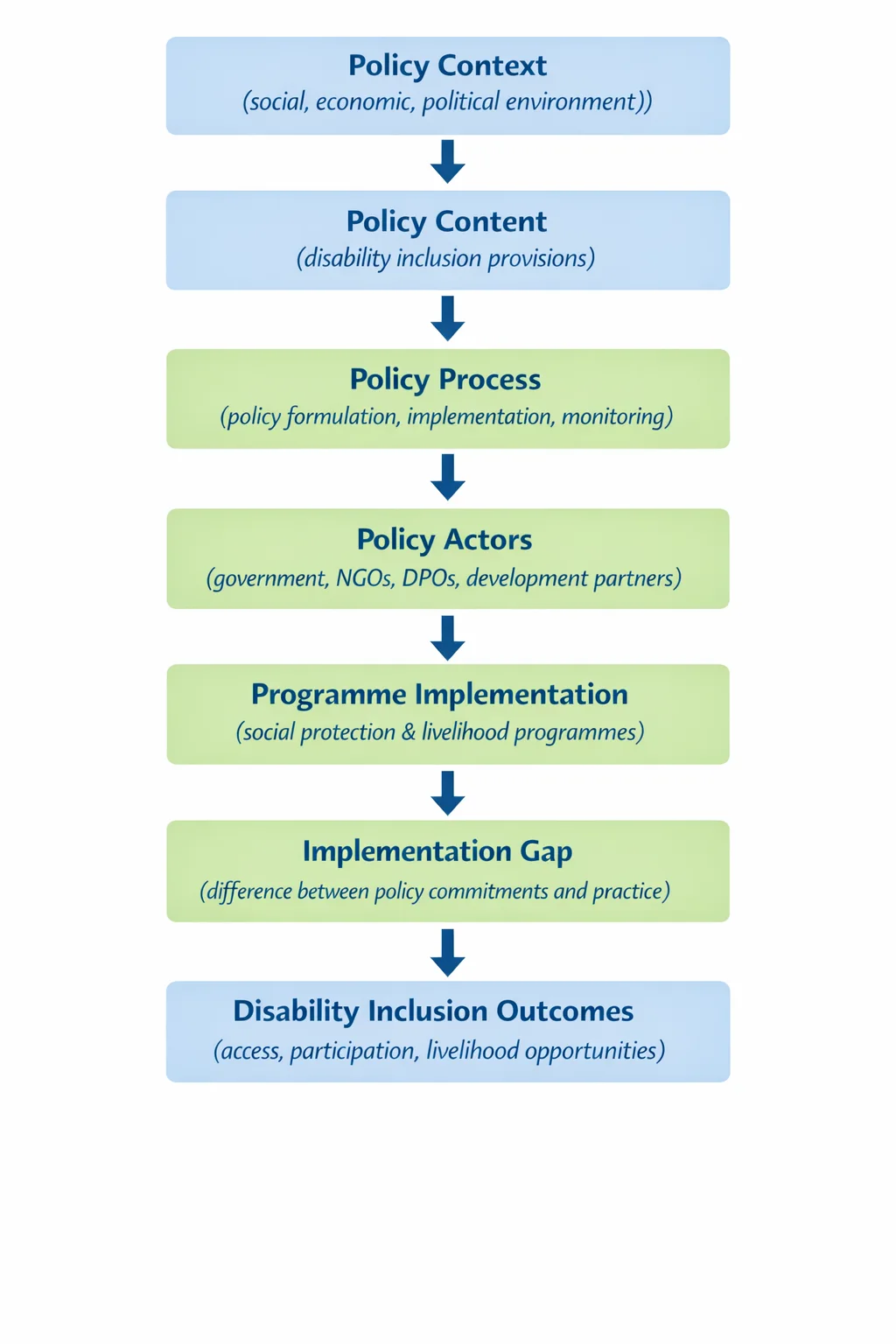
This paper analyses policy-practice gap in disability inclusion in social protection and livelihood programmes to assuage the unrelenting discrepancies between policy intentions and the real policy implementation results. Although more countries have now adopted rights based models and a national policy commitment towards international standards, such as the UN Convention on the Rights of Persons with Disabilities (CRPD) and the Sustainable Development Goals, persons with disabilities remain hea
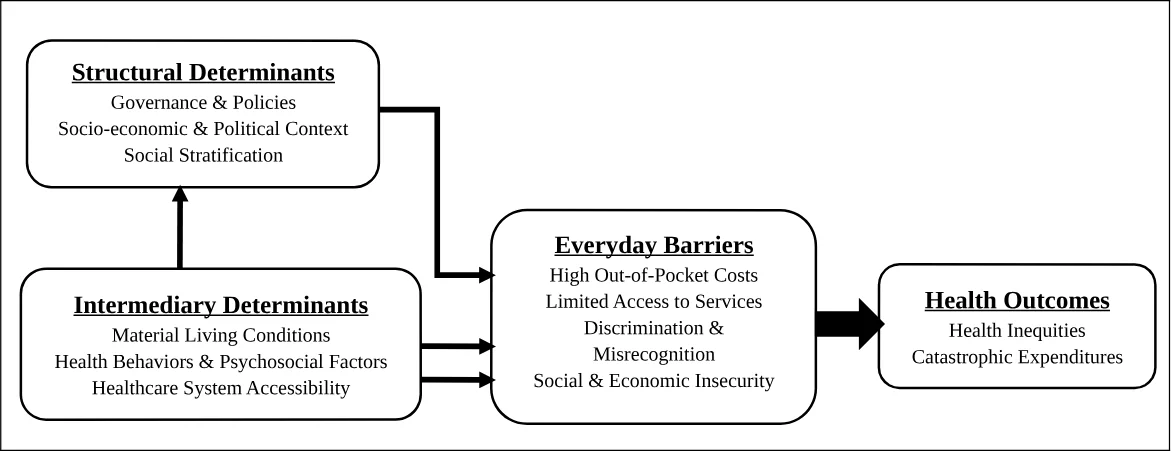
The situation in Bangladesh is such that healthcare disparities are influenced by structural, economic, and social factors and result in unequal health status, especially among the marginalized groups. Although there have been some positive changes in the public health, like the increase in life expectancy and the reduction in the child mortality, the disparity is still high. The major obstacles are the high out-of-pocket (OOP) expenditure that burdens low income households financially and the g
No articles in this category yet.
Active journals and conference submissions.
| Research title | Target venue | Date | Status |
|---|---|---|---|
| Reproductive Health Access Under Social Control: Household Power, Stigma, and Women's Autonomy Jeba Anika | N/A | 2026 | Draft |
| From Policy to Practice: Disability Inclusion Gaps in Social Protection and Livelihood Programmes Jeba Anika | N/A | 2026 | Draft |
| Health Disparities in Bangladesh: Everyday Barriers to Care and the Social Production of Inequality Jeba Anika | N/A | 2026 | Draft |
Showing 3 of 3 publications
University of Dhaka
CGPA 3.58/4.00. Thesis: Behavioral implications and challenges of children with autism spectrum disorder during the Covid-19 pandemic in Bangladesh.
University of Dhaka
CGPA 3.51/4.00
Hope Foundation for Women and Children
Médecins Sans Frontières (MSF), Ukhiya, Cox’s Bazar
University of South Asia, Dhaka
Nagasaki University, Japan
Menstrual and reproductive health management of street-connected girls in Dhaka: interviews (IDI, FGD, KII), workshops, transcription and findings.
Centre for Advanced Research
Health status of the Bihari refugees of Bangladesh: questionnaires, FGDs, surveys and literature review.
BRAC Institute of Governance and Development (BIGD)
Disability Inclusive Ultra-Poor Graduation Programme: focus groups and in-depth interviews.
Najmul Karim Study Center, University of Dhaka
Qualitative and survey methods (IDI, FGD, KII), SPSS, NVivo, Microsoft Office
English (fluent, IELTS 7); Bangla (native); Chittagonian (basic)